

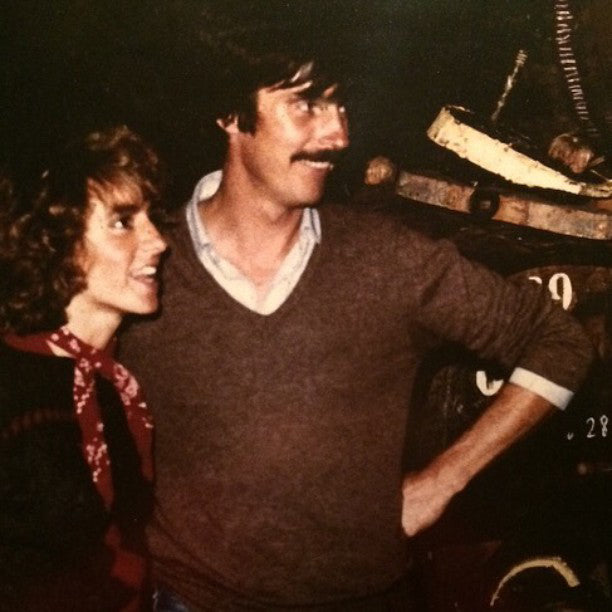

Let us tell you the story of Viña Tipaume, a project born in 1996 in the Cachapoal Valley, one of the first boutique wine projects in Chile. In 2005, they produced their first wine: Tipaume, an artisanal and 100% natural wine.
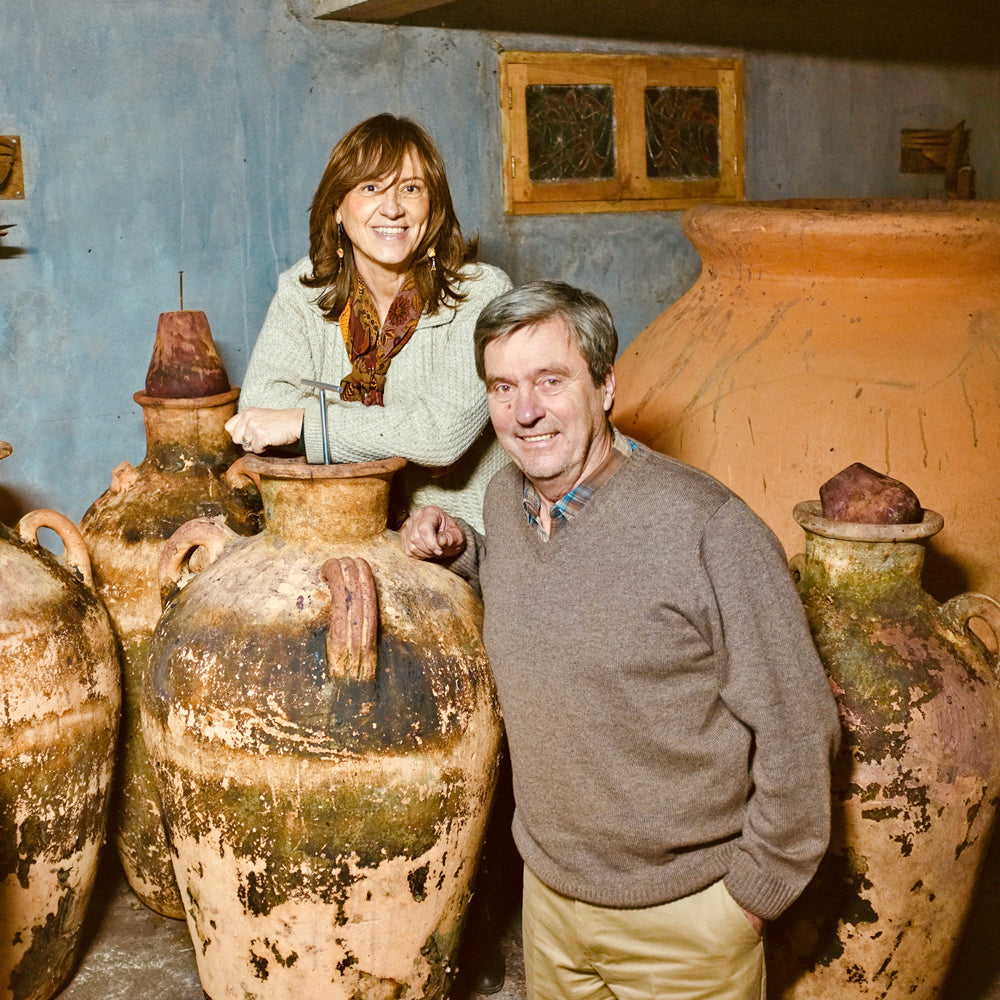
Yves Pouzet, an agronomist and oenologist from the University of Paris, arrived in Chile in the early 80s to take charge of setting up Viña Los Vascos. Before that, he had worked in vineyards in Chablis (France), Napa Valley (United States), and Ica (Peru).
A few weeks after arriving in Chile, he met his future wife, Valentina Grez, with whom he now does everything at Viña Tipaume.

The dream
But before Tipaume, Yves spent almost 10 years working for different wineries in Chile, Brazil, and India, while patiently searching for land where he could one day establish his dream vineyard.
The land
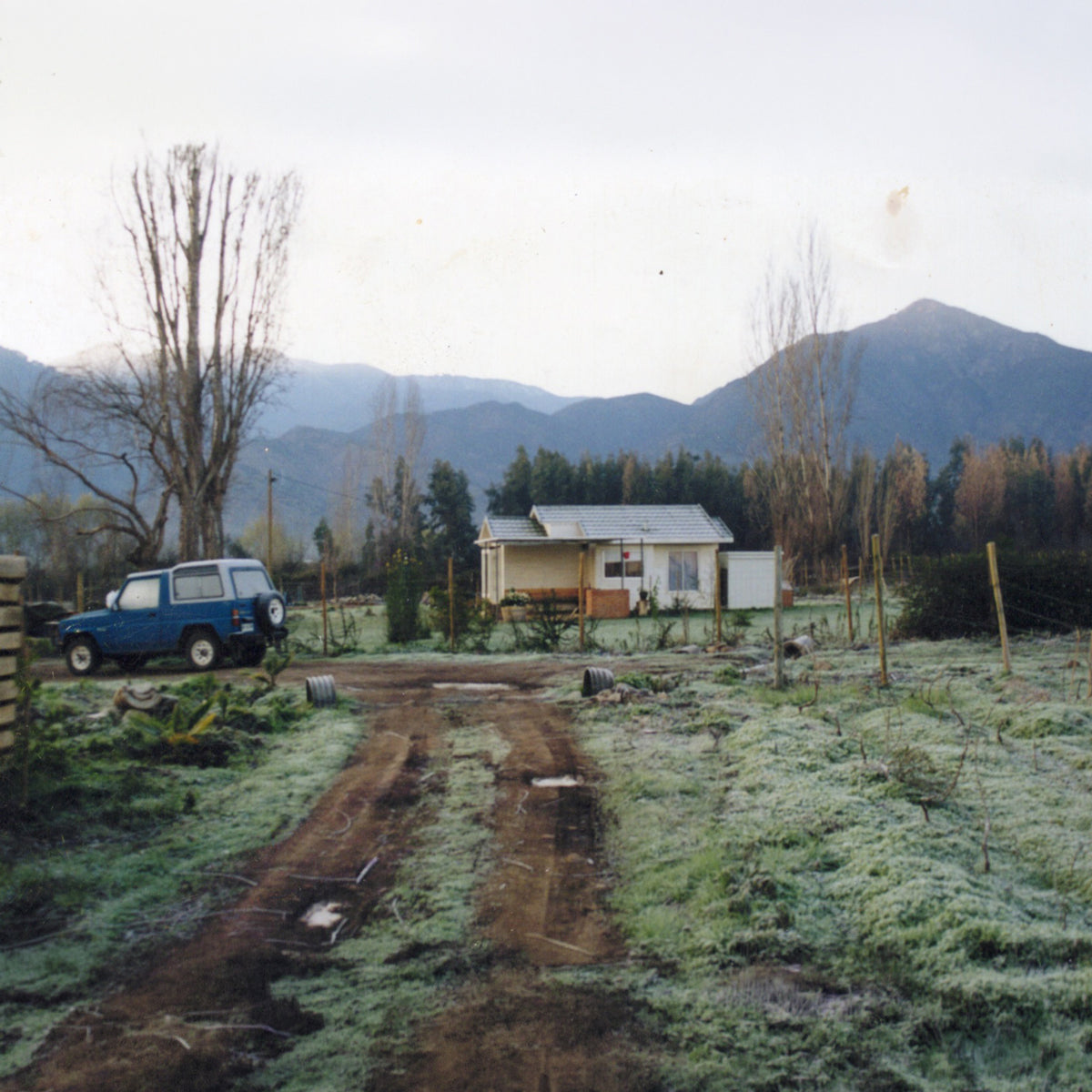
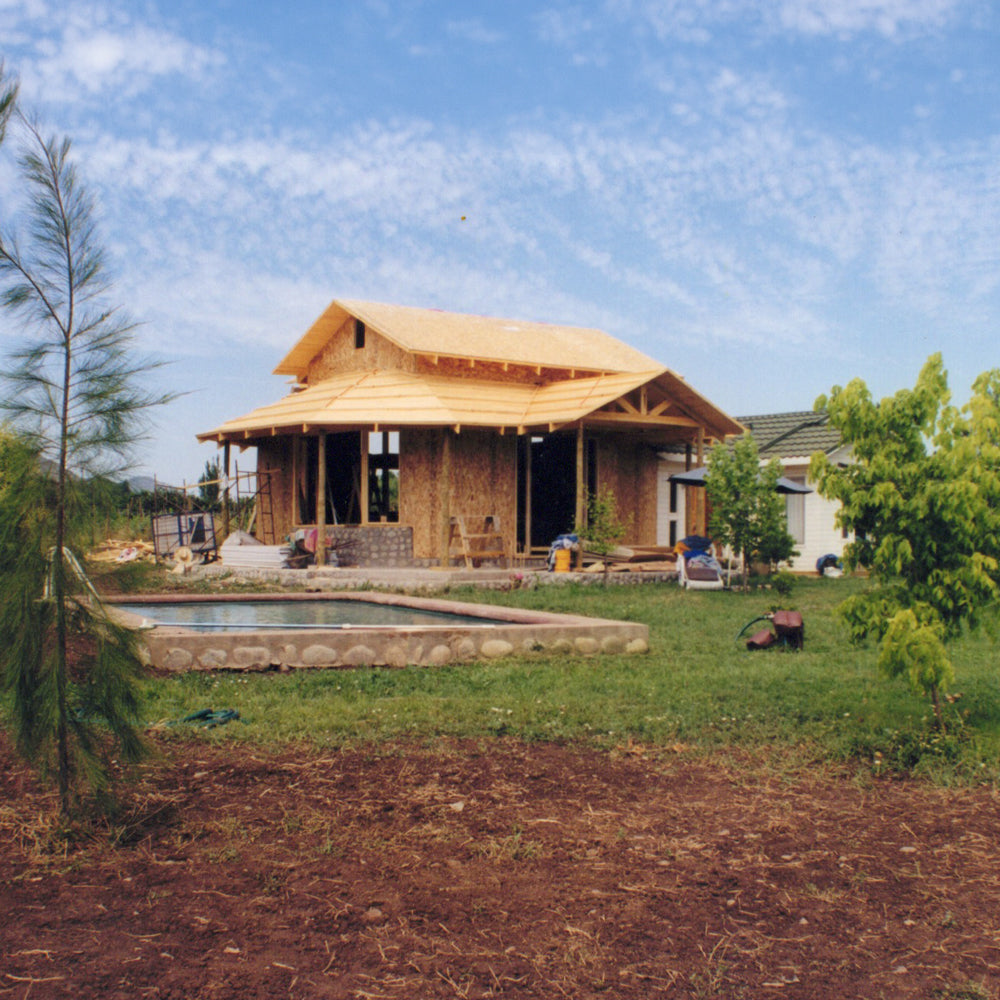
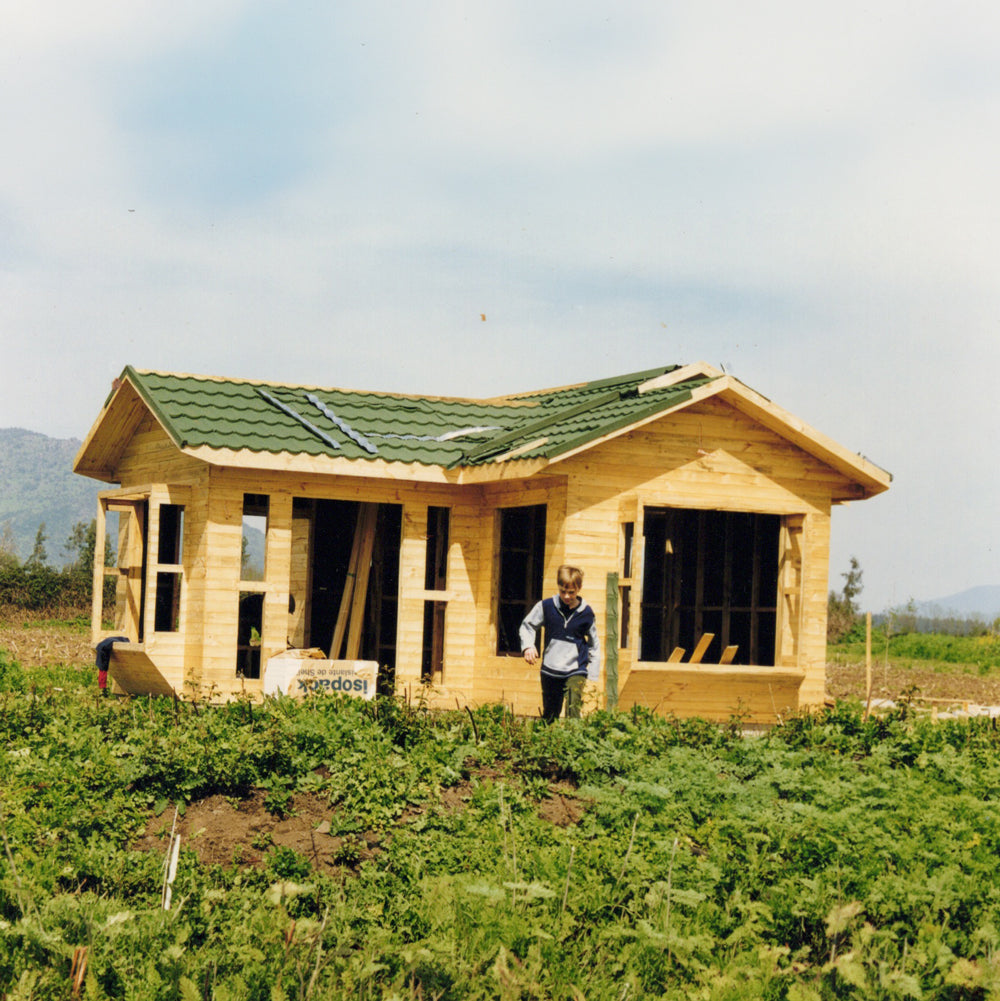
Thus, in about 1995, while exploring the inner areas of the commune of Rengo, a place they frequented on weekends for climbing, they spoke with a farmer to ask if he knew of any land for sale in the area, and by chance, they were just a few meters from a plot of land for sale, which ended up being the origin of Tipaume.
The beginning
The name of the vineyard was inspired by a small stream that borders the property and bears the same name. Tipaume is a Mapudungun word whose meaning is "place of departure" and is interpreted as the waters that flow from the Andes Mountains to irrigate the crops.
Organic viticulture
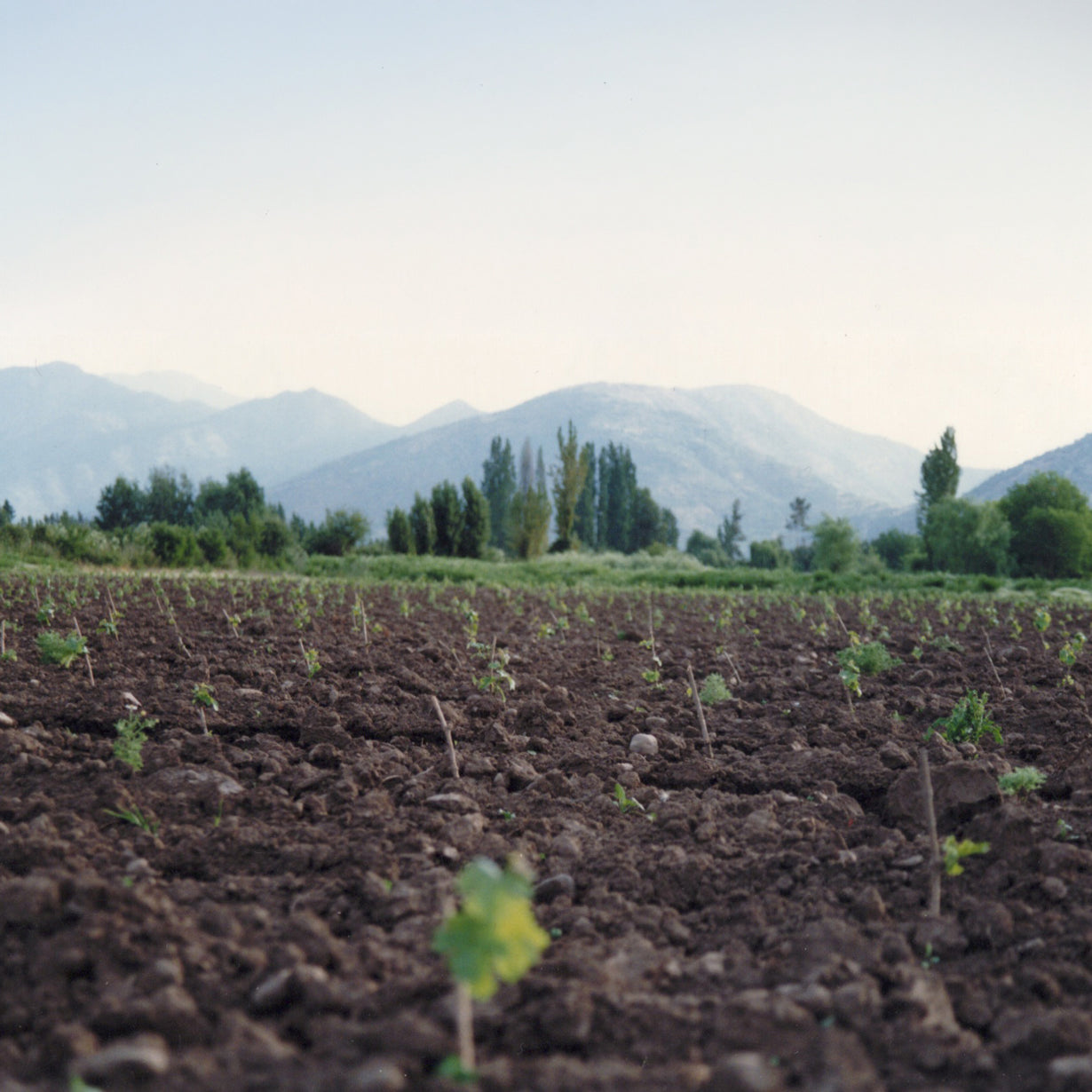
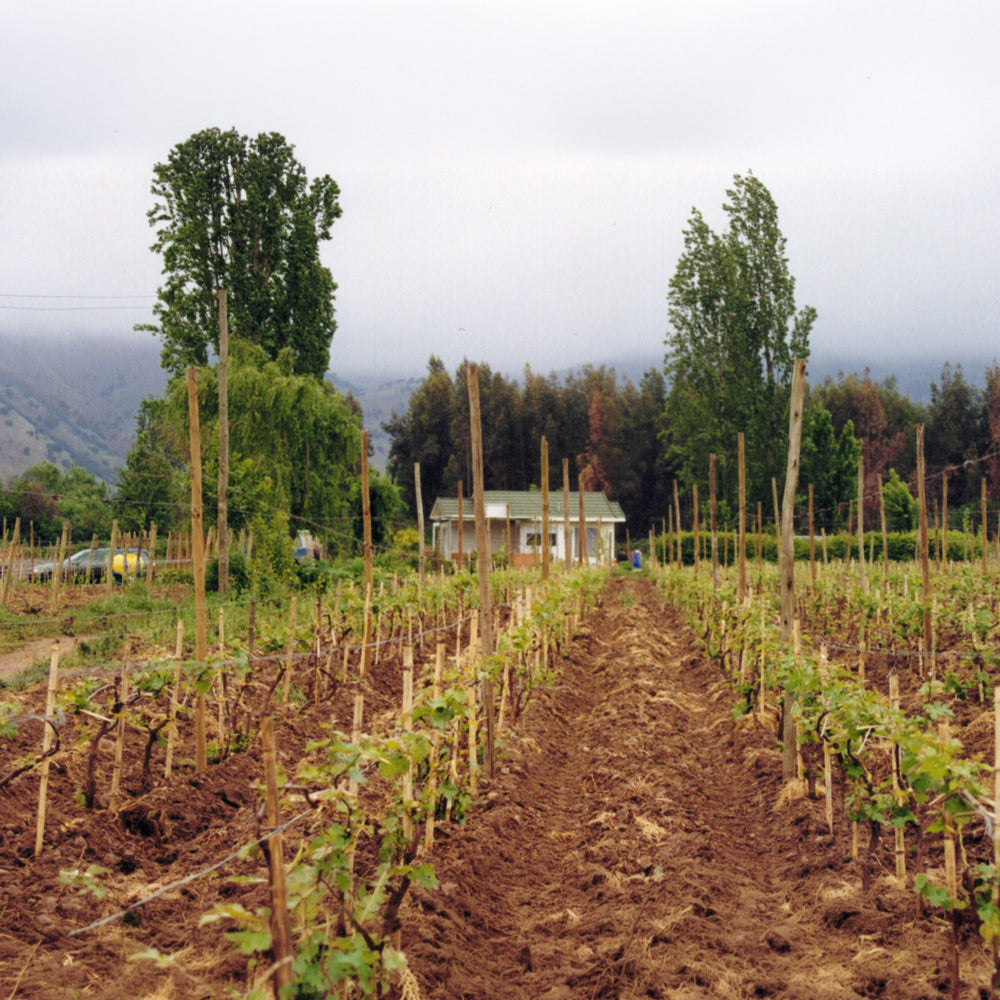
Yves knew that the grapes from Cachapoal were very good, especially the Carmenere, so that was the variety he planted the most, along with Cabernet Sauvignon, Merlot, Malbec, Lacrima Cristi, and Viognier. Years later, he would also plant Pinot Noir and Sangiovese. In total, the vineyard spans 5 hectares.
From the beginning, viticulture was organic, and years later, biodynamic. The vineyards are not irrigated because the goal is for the roots to penetrate as deep as possible into the subsoil, in search of water and minerals that will add greater complexity to the wines. Additionally, not irrigating allows the vines to be more resistant to diseases.
The bottleneck
Between 2008 and 2011, the idea of making wines in clay amphorae, just as it was done thousands of years ago, was born. A few amphorae were handcrafted, and only in 2011 was the first commercial wine bottled, which would be named Grez: in honor of Valentina and also taking advantage of the fact that "Gres" means clay in French.
The wineries
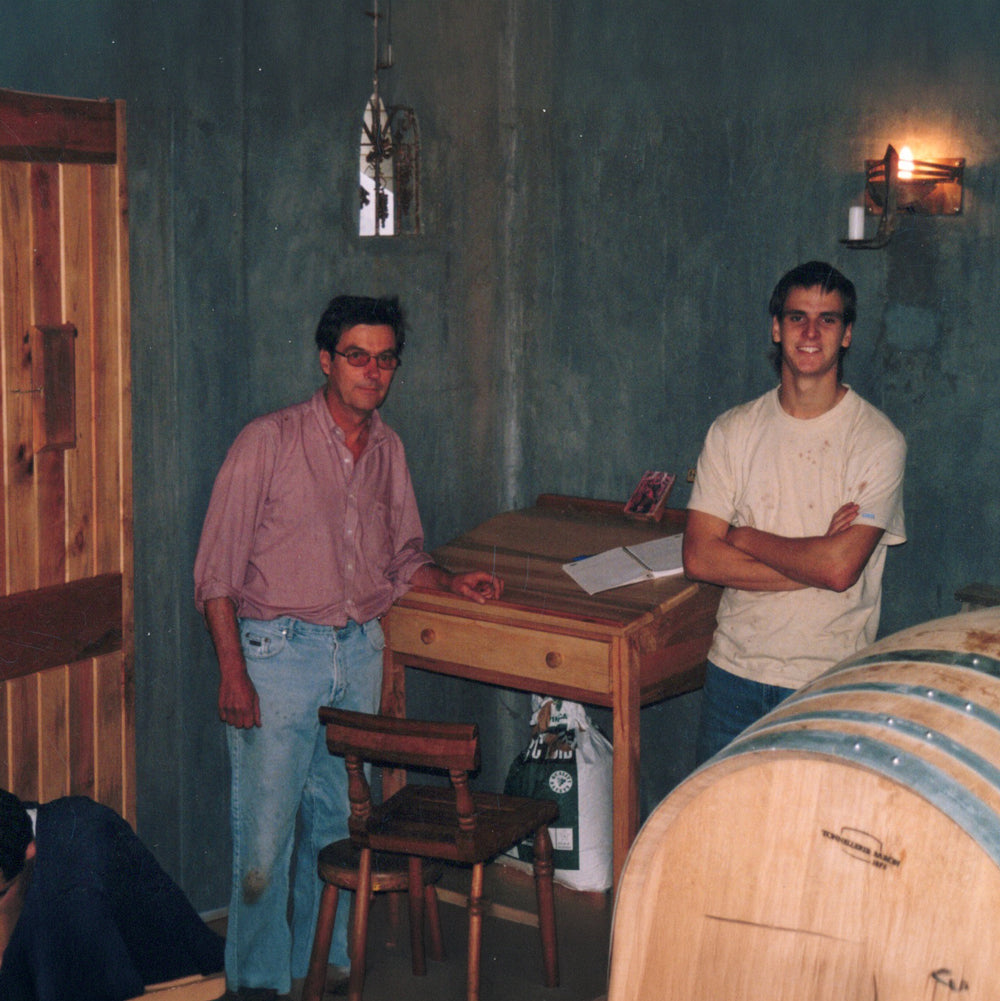
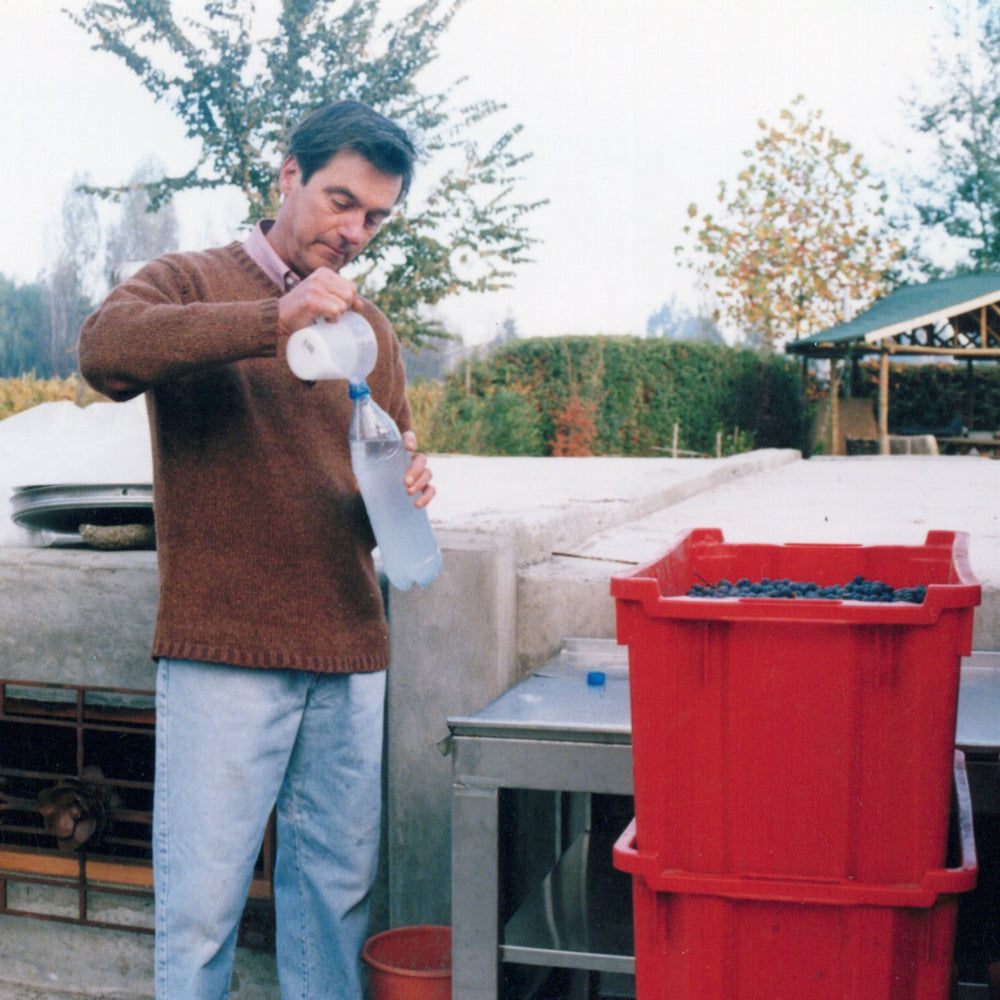
For several years, the grapes harvested were sold to larger wineries, until in 2004 they decided to build a winery under the house to be able to make their first wines, which would come the following year, producing 1,162 bottles.
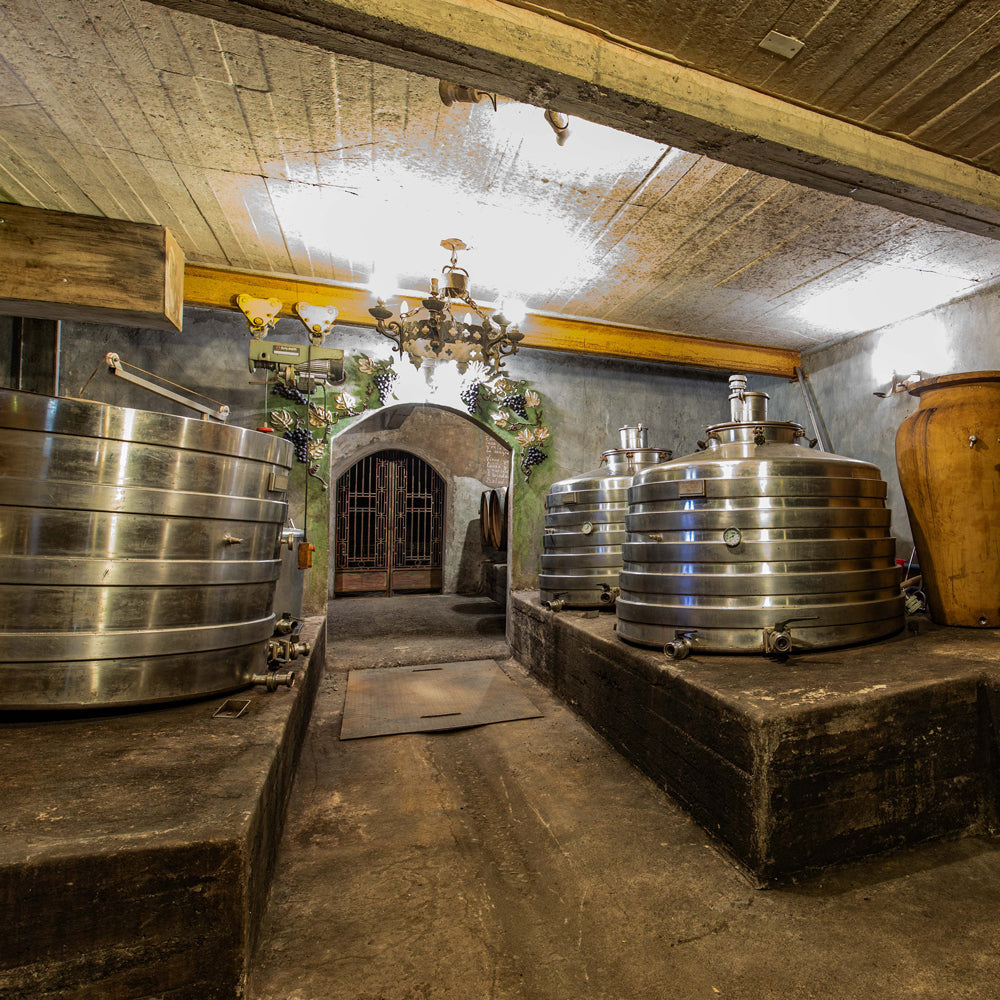

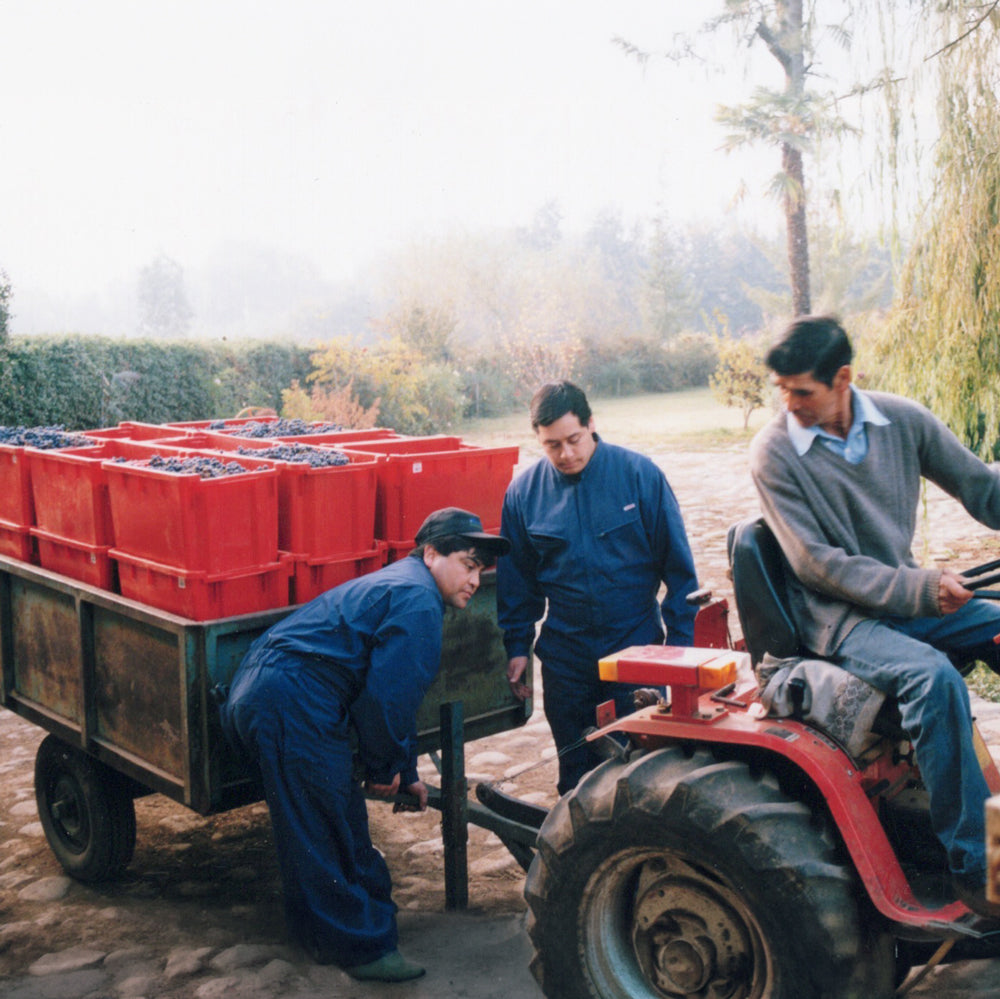

Currently, around 3,000 bottles are produced annually, half of which are sold in some of Chile's best restaurants (Boragó, Ambrosia, 99, among others), while the other half are exported to countries such as Brazil, Japan, Norway, and Belgium.
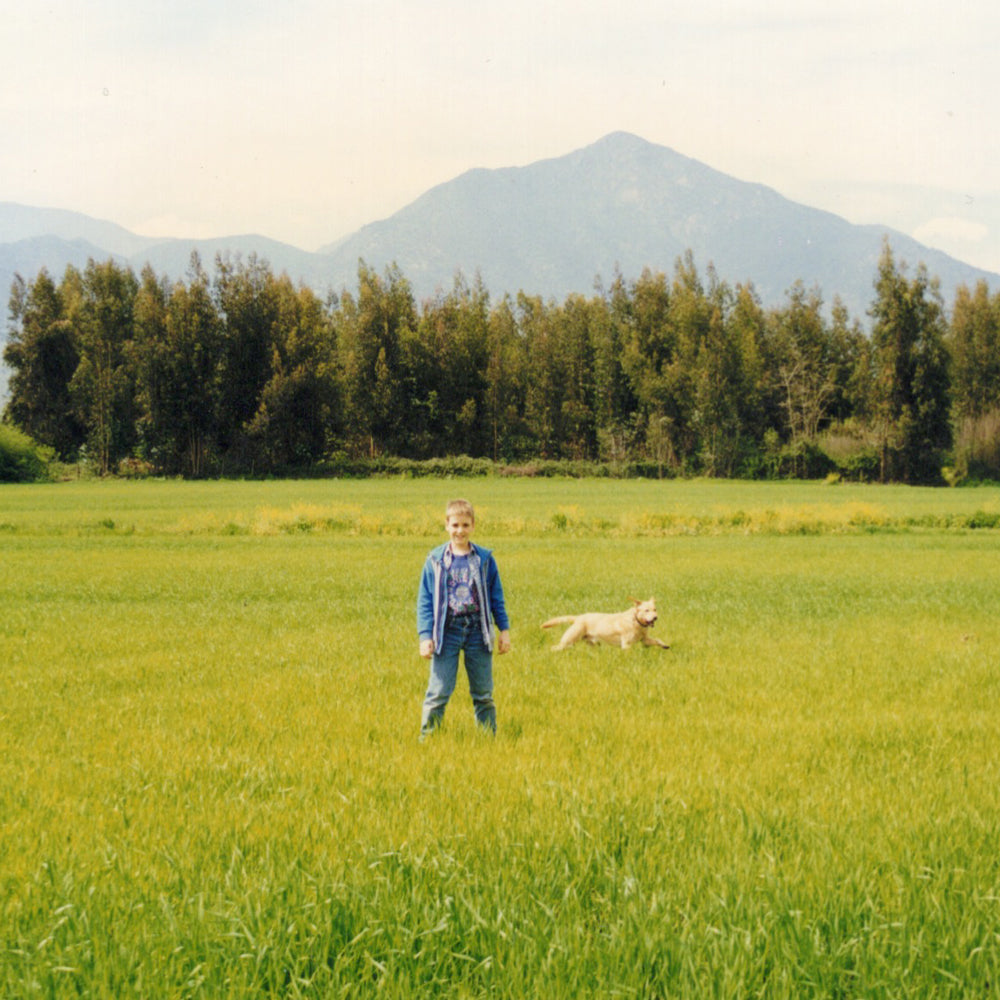
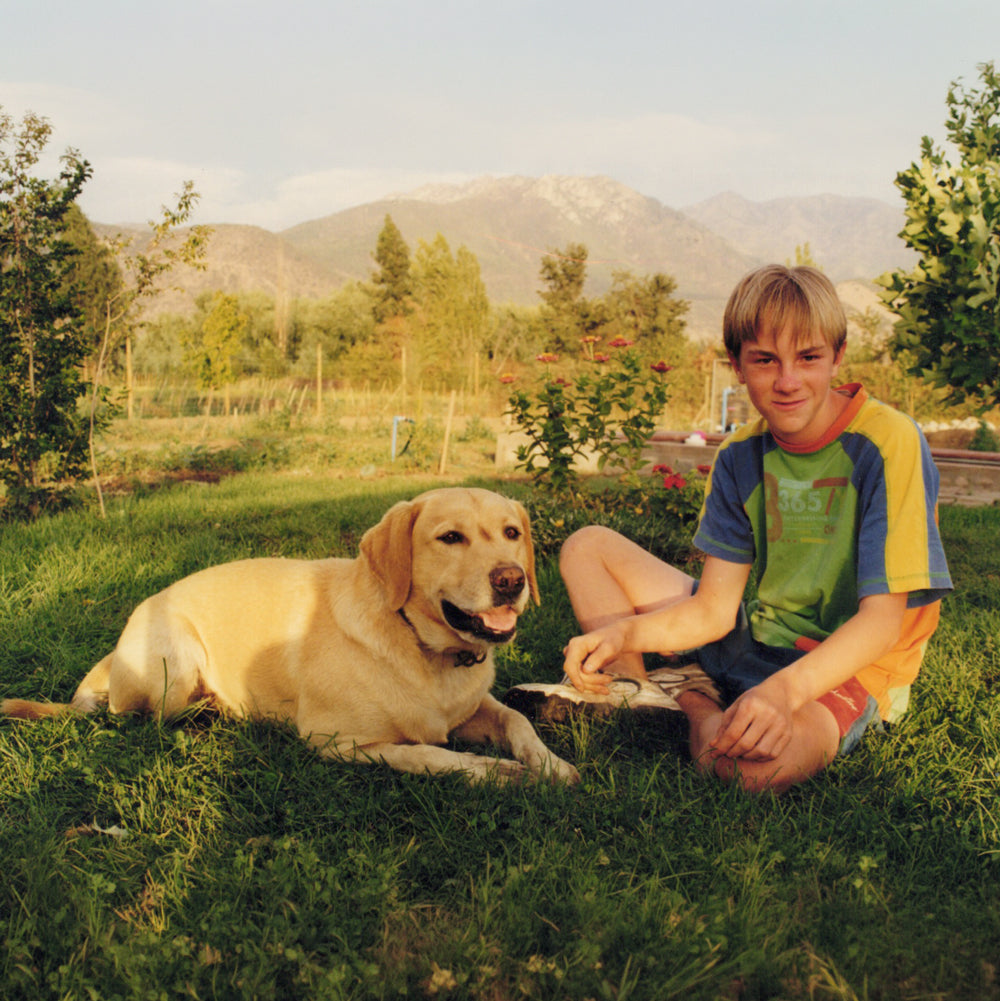
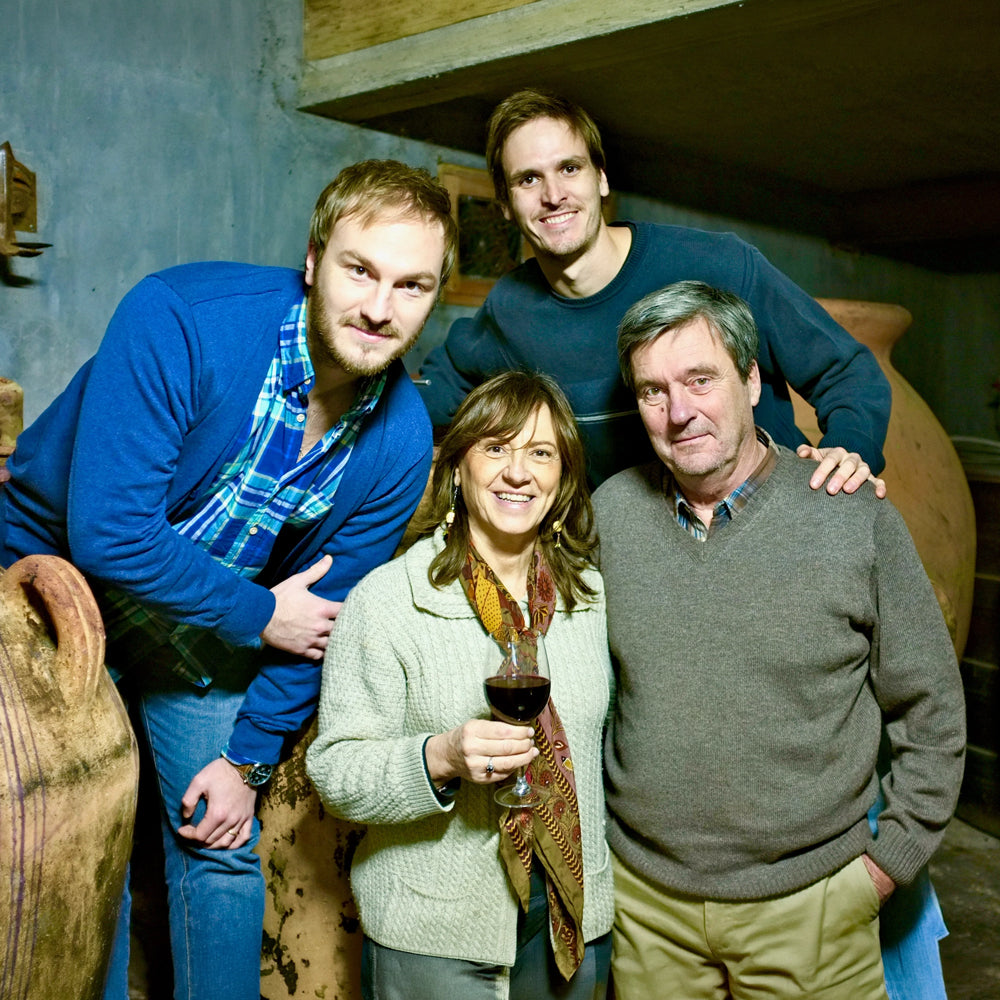
The family: Top Vincent Pouzet and Francois Pouzet, Bottom Valentina Grez and Yves Pouzet.